Breastfeeding While Travelling: What You Need To Know Before You Go
The June school holidays are here, and if you're planning a family trip — whether it's a quick getaway to Malaysia, a flight back home to visit relatives, or a day out at the zoo — you might be feeling anxious about how breastfeeding will fit into it all.
Will your baby feed differently in a new environment? What if your supply drops because you're stressed or tired? How do you manage pumping on the go, or feeding in unfamiliar spaces?
Travelling while breastfeeding doesn't have to be stressful. With a bit of preparation and the right support, you can maintain your feeding rhythm and enjoy the trip.
This guide walks you through what you need to know before you go, so you can travel with confidence.
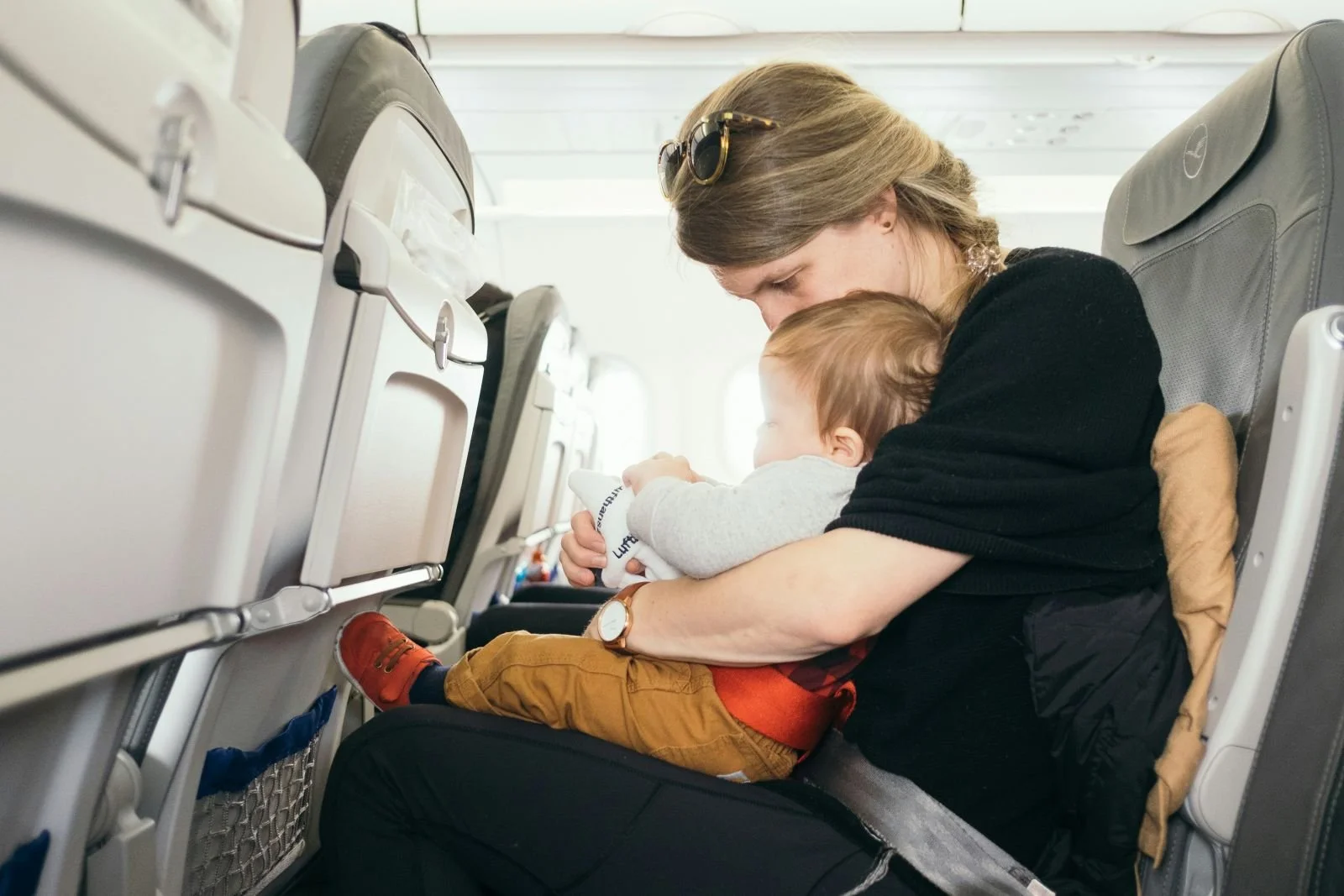
1. Your Baby May Feed Differently When You Travel
Travel brings change: new sights, sounds, routines, and sleeping arrangements. Your baby is taking it all in, and that can change how they feed.
You might notice:
More frequent feeding (especially for comfort or regulation)
Shorter feeds or distracted feeding
Cluster feeding in the evenings
Changes in sleep, which may affect night feeds
What to do:
Follow your baby's cues, and offer your breasts flexibly and frequently. If your baby wants to feed more often, that's their way of staying regulated in a new environment. It doesn't mean your supply is dropping; it means they're using feeding as a tool for comfort and connection.
If feeds feel shorter or more scattered, don't panic. As long as your baby is producing wet nappies and seems content between feeds, they're getting what they need.
2. Pack Smart: Your Breastfeeding Essentials
Whether you're flying or driving, having a dedicated breastfeeding section in your nappy bag will save you stress.
What to pack:
Nursing cover or lightweight muslin (if you prefer privacy — though it's not essential)
Breast pads (some mums leak during let-downs)
Hands-free pump bra (if you're pumping on the go)
Portable pump (if applicable) and charging cable
Cooler bag and ice packs (for storing expressed milk)
Extra nursing bra or comfortable bralette
Water bottle and snacks (staying hydrated and nourished supports your supply)
Small wet bag (for storing used breast pads or pump parts)
Pro tip:
If you're flying, you're usually allowed to bring expressed breastmilk through security — it's often exempt from the 100ml liquid rule, especially when you're travelling with your baby. Different airlines and airports may have slightly different procedures, so it's worth checking ahead and allowing extra time. Let the officer know at the checkpoint to avoid any delays.
3. Feeding During Flights: What You Need To Know
Flying with a breastfed baby can actually be easier than you think. Breastfeeding during takeoff and landing helps equalise pressure in your baby's ears, which means less discomfort and crying. Whether you can do this depends on how your baby is seated and airline safety rules, so follow crew instructions during those phases.
Tips for feeding on the plane:
Request a bassinet seat (if your baby qualifies) so you have more space
Offer a feed during ascent and descent if you can. It may help ease ear pressure and keep your baby calm during the noisiest parts of the flight
Bring a nursing cover if it helps you feel more comfortable, but know that you're legally allowed to breastfeed anywhere in Singapore — including on flights
Stay hydrated; the cabin air is dry, and that can affect how you feel
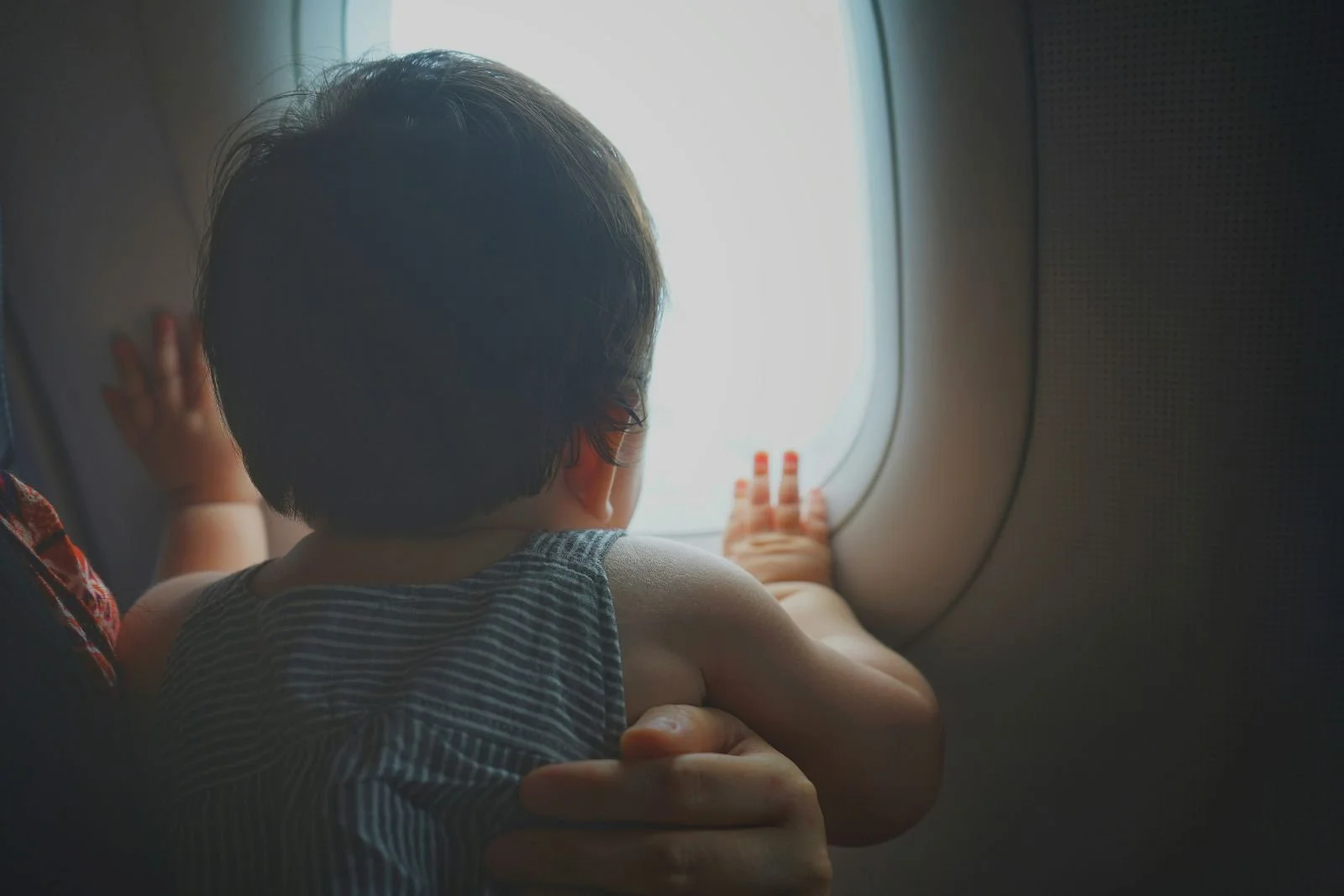
4. Managing Your Milk Supply While Away
One of the biggest concerns mothers have when travelling is whether their supply will drop.
What affects supply during travel:
Skipping feeds or pumping sessions
Changes in baby's feeding pattern
Stress and lack of sleep
Dehydration or irregular meals
How to protect your supply:
Feed or pump on your usual schedule as much as possible
Prioritise hydration and nutrition — pack snacks, set reminders to drink water
Don't skip night feeds, even if you're tempted to let someone else take over so you can rest — unless you're exclusively pumping and your body has already adjusted to dropping overnight pumps. If you're directly breastfeeding, those night feeds signal your body to keep producing milk. Skipping them can lead to engorgement, discomfort, and a drop in supply over time.
If you're away from baby, pump at the times they'd usually feed
Use hand expression if you don't have access to a pump — it's effective and requires no equipment
A note on time zones:
If you're crossing time zones, your body will adjust over a few days. Keep feeding or pumping regularly, and your supply will recalibrate. Things may feel unpredictable at first, and that's expected.
5. Breastfeeding In Public While Travelling
Feeding in unfamiliar places — airports, restaurants, tourist spots — can feel exposing, especially if you're not used to it.
You're allowed to breastfeed anywhere. Most people either won't notice or won't care.
If you're feeling nervous:
Wear easy-access clothing (nursing tops, loose button-ups, stretchy tanks)
Practise at home first so you feel more confident with your latch and positioning
Bring a lightweight cover or muslin if it helps you feel more comfortable (but only if you want to — not because you feel you should)
Find quiet corners if your baby is easily distracted, but don't feel you need to hide
Remember:
Your baby's need to feed is more important than anyone's discomfort. You're not doing anything wrong. You're nourishing your child.
6. What To Do If You're Separated From Your Baby
If you're travelling without your baby (or leaving them with a caregiver for part of the trip), you'll need a plan to maintain your supply.
Tips for pumping while travelling:
Pump or hand express at the times your baby would usually feed. This helps maintain your rhythm and keeps your supply steady
Struggling to stick to a schedule? Aim for short, frequent pumps rather than long sessions. Most milk is expressed in the first two let-downs, so even 10–15 minutes can be effective if you're doing it more often
If you're pressed for time, a short pump is better than skipping a session altogether. Even 5–10 minutes helps maintain your supply and keeps your rhythm going
Store milk safely (use a cooler bag, or ask your accommodation for fridge access)
Label and date your milk if you're bringing it home
If you're flying back with expressed milk, check the airline's policy. Most allow it, but it's worth confirming in advance.
7. Returning Home: Easing Back Into Routine
After a few days (or weeks) of travel, your baby's feeding pattern might feel a little different. That's normal.
How to ease back in:
Re-establish your usual rhythm gradually; don't force it all at once
Expect some cluster feeding or clinginess as your baby reconnects with you and their familiar environment
Give yourself grace — it takes a few days for everyone to recalibrate
If you notice any persistent feeding issues — refusal, pain, or a sudden supply drop — reach out to an International Board Certified Lactation Consultant (IBCLC). Sometimes travel can reveal an underlying issue that was already there, and getting professional breastfeeding support can help you identify and resolve it before it becomes harder to manage.
You're More Prepared Than You Think
Travelling while breastfeeding doesn't have to mean stress, supply issues, or constant worry. With a bit of preparation, flexibility, and self-compassion, you can maintain your feeding relationship and enjoy your time away.
Babies are more adaptable than we give them credit for. And so are you.
You'll work it out as you go — one feed at a time.
Have a safe trip.
Need support before your trip?
If you're feeling anxious about travelling while breastfeeding, or if you'd like a tailored plan based on your baby's age and feeding pattern, I'm here to help.
WhatsApp me to book a session, and we'll work through your concerns together so you can travel with confidence.
